

Europe Natural Food Colors Market Set to Reach US$1.06 Bn by 2032, Growing at 7.6% CAGR – Persistence Market Research
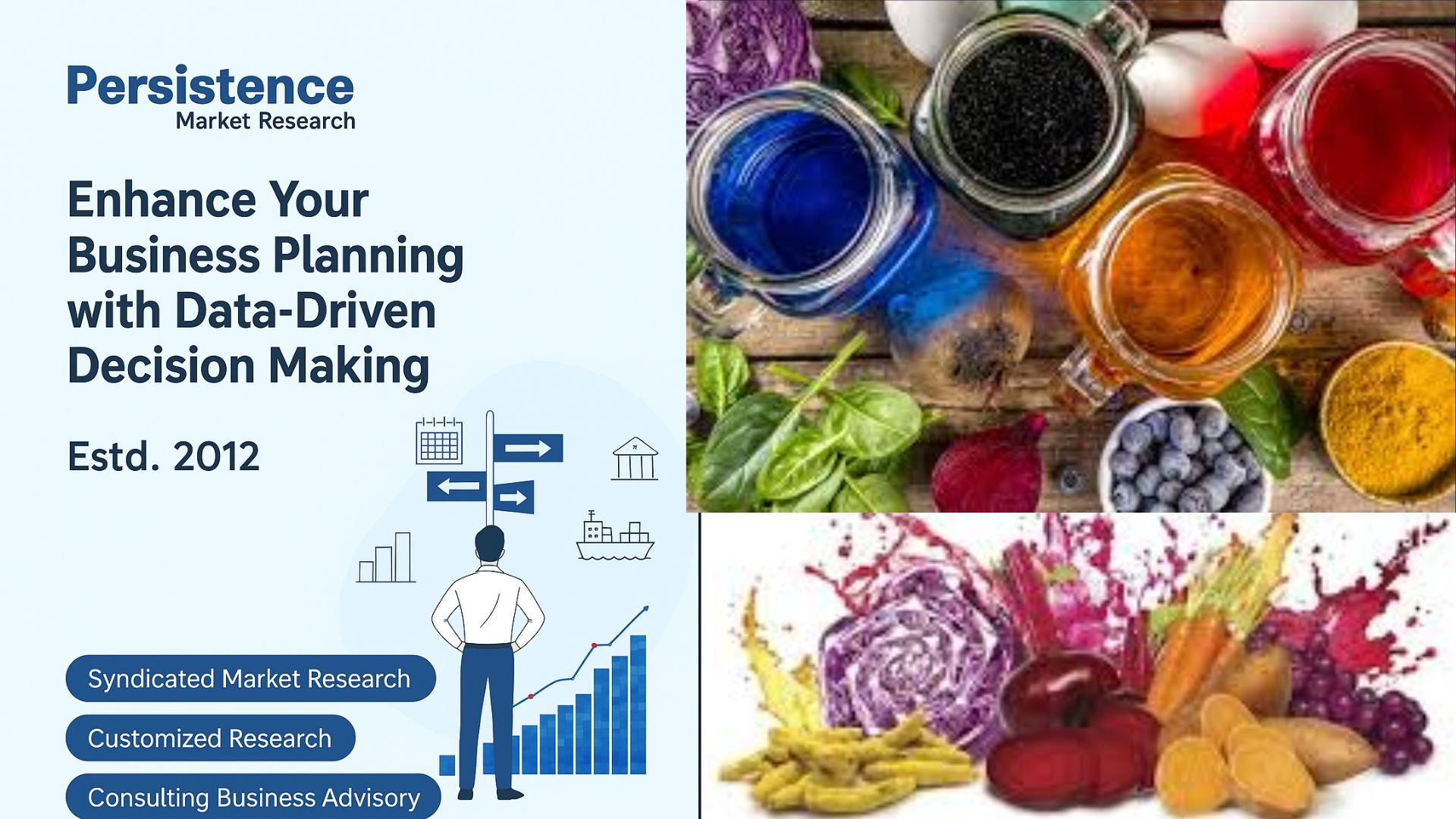
Europe Natural Food Colors Market Outlook
Rising Health Awareness and Clean-Label Trends Propel Growth in Europe’s Natural Food Colors Market
BRENTFORD, ENGLAND, UNITED KINGDOM, February 25, 2026 /EINPresswire.com/ -- The Europe natural food colors market is poised for significant expansion over the next decade, propelled by strong consumer demand for clean label products, increasing health consciousness, and stringent regulations on synthetic food additives. According to the latest report by Persistence Market Research, the market is expected to grow from an estimated US $682.6 million in 2025 to US $1,060.5 million by 2032, exhibiting a robust compound annual growth rate (CAGR) of 7.6 % during the forecast period.
➤ Download Your Free Sample & Explore Key Insights: https://www.persistencemarketresearch.com/samples/35630
Market Dynamics and Growth Drivers
Rising Consumer Preference for Clean Label Ingredients
One of the primary drivers of market growth is the rising demand for natural, clean label food products that are perceived as healthier and safer alternatives to those containing synthetic additives. European consumers are highly aware of the ingredients in their food and increasingly seek products made with recognizable, natural components. This clean label trend has also been accelerated by widespread health and wellness movements, particularly in developed European markets such as Germany, France, and the United Kingdom, where consumers are willing to pay a premium for products that promote transparency and nutritional benefits.
Regulatory Environment and Ban on Synthetic Additives
Europe’s regulatory framework plays a critical role in shaping the natural food colors market. The European Union’s stringent food safety regulations, particularly the ban on titanium dioxide (E171) — a widely used synthetic food color additive — have forced manufacturers to seek natural alternatives. This regulatory pressure has catalyzed innovation and increased adoption of plant based colorants, which comply with EU food safety standards and align with consumer expectations.
Natural food colors are often derived from fruits, vegetables, spices, and other plant sources that have a long history of safe use in foods. However, gaining official approval for novel natural extracts still requires compliance with EU Regulation EC 1333/2008, making regulatory navigation a vital part of market strategy for food ingredient suppliers.
Expanding Food and Beverage Applications
The demand for natural food colors spans multiple food and beverage categories, including bakery goods, confectionery, dairy products, snacks, and beverages. Among these, the beverages segment stands out as the fastest growing market, driven by the proliferation of functional drinks, juices, flavored waters, and other non alcoholic beverages that emphasize vibrant, visually appealing colors and clean label transparency.
In bakery and confectionery applications, manufacturers are replacing synthetic dyes with natural pigments to appeal to consumers who associate natural ingredients with better health outcomes.
Key Ingredients and Technological Innovations
Carotenoids Lead the Market
Among the different types of natural colorants, carotenoids currently dominate the Europe natural food colors market. These pigments — sourced from carrots, tomatoes, paprika, and marigold flowers — deliver vibrant yellow, orange, and red hues that are widely used in multiple food categories. Their relative stability and functional health benefits, including antioxidant properties, contribute to sustained demand across food and beverage applications.
Other natural pigments gaining traction include anthocyanins, derived from berries and grapes; spirulina extracts, known for their blue green hues; and paprika extracts, which offer red to orange shades. Continued innovation in extraction and stabilization technologies is enhancing the performance of these natural colors, making them more competitive with synthetic dyes in terms of heat tolerance, color consistency, and shelf stability.
➤Customize This Report for Your Exact Requirements: https://www.persistencemarketresearch.com/request-customization/35630
Regional Insights and Key Markets
Germany as a Market Leader
Germany stands out as the largest market for natural food colors in Europe, driven by its robust food and beverage sector, advanced supply chain infrastructure, and strong organic food market. German consumers are particularly health conscious and supportive of natural food products, making the country a vital hub for natural colorants and clean label innovations.
Major food ingredient suppliers are actively expanding their presence in Germany, leveraging its strategic position within the European market. Additionally, Germany imports a significant volume of natural colorants, highlighting the interconnected nature of the global supply chain and the importance of sourcing high quality pigments from both domestic and international producers.
Other key European markets include France, Italy, Spain, and the United Kingdom — each with its own growing consumer base and food industry segments that support increased use of natural food colors. These markets are expected to contribute significantly to overall growth through 2032.
Europe Natural Food Colors Market Segmentation
By Ingredient
Carotenoids
Spirulina
Paprika
Anthocyanins
Curcumin
Carmine
Others
By Application
Bakery & Confectionery
Dairy & Frozen Food
Snacks & Savory
Meat Alternatives & Plant-based Foods
Beverages
Others
By Source
Plant-derived
Animal-derived
Microbial
By Country
Germany
U.K.
France
Italy
Spain
Rest of Europe
Competitive Landscape
The Europe natural food colors market is highly competitive and characterized by the presence of major global ingredient suppliers focusing on product innovation, sustainability, and regulatory compliance. Leading companies like Symrise, Döhler, Archer Daniels Midland (ADM), Sensient Technologies, and Chr. Hansen offer diverse portfolios of natural pigments tailored to varied food sector needs.
These companies invest heavily in research and development to improve the stability, performance, and sensory appeal of natural colors, enabling broader adoption across food and beverage applications. Strategic collaborations, acquisitions, and expansion initiatives are also helping key players strengthen their foothold in the European market.
➤Secure Your Full Report - Proceed to Checkout: https://www.persistencemarketresearch.com/checkout/35630
Companies Covered in Europe Natural Food Colors Market
Oterra (Chr. Hansen Natural Colors)
Sensient Technologies Corporation
Archer Daniels Midland
Naturex S.A.
Döhler GmbH
Symrise AG
McCormick & Company
Kalsec Inc.
Kerry Group
Challenges and Future Outlook
Despite strong growth prospects, the Europe natural food colors market faces certain challenges. Technical issues such as inconsistent coloration, lower heat stability compared to synthetic alternatives, and regulatory hurdles can impede faster adoption. Additionally, supply chain complexities and the need for traceability and sustainable sourcing add operational pressures for manufacturers and suppliers. Looking ahead, opportunities abound for companies that can deliver high‑performance, compliant, and sustainable natural color solutions. Innovations in fermentation technologies, organic certifications, and advanced pigment extraction methods are expected to drive further growth.
Read More Reports:
Yogurt Powder Market
Coconut Flour Market
Smita Kasar
Persistence Market Research
+1 6468786329
email us here
Visit us on social media:
LinkedIn
Instagram
Facebook
YouTube
X
Legal Disclaimer:
EIN Presswire provides this news content "as is" without warranty of any kind. We do not accept any responsibility or liability for the accuracy, content, images, videos, licenses, completeness, legality, or reliability of the information contained in this article. If you have any complaints or copyright issues related to this article, kindly contact the author above.
